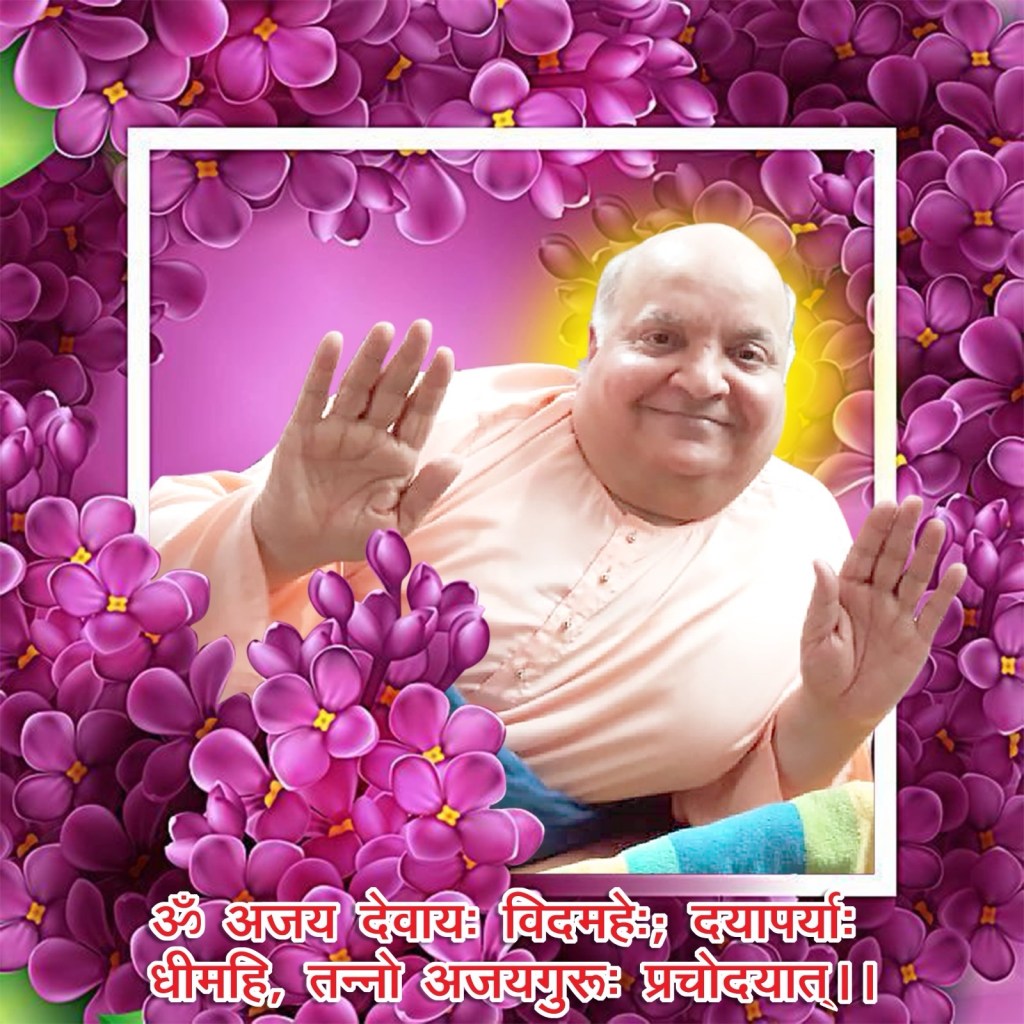
Swami ji said…
One of our favourite passtimes is to ‘talk’ about people we know—or might not even know. We may have just seen them somewhere, yet, we tuck their image away in some corner of our mind. And, then, the moment we recall their face—or the slightly inappropriate manner in which they may have presented themselves before us — we feel qualified to judge them and to give our opinion about them.
We seem to enjoy discussing others, and, at times, even debating about them angrily—especially when we feel that we are not gaining enough support in belittling them. Why is it that we take no time at all to form a one-sided opinion about others and find nothing wrong in making it known to everyone? How we love to analyse others—doing so with single-minded focus—dissecting every action of theirs and every word they speak, as though it were our birthright.
But then why are we—rather hypocritically—so shy, so hesitant, and so weary of being at the receiving end – when others attempt to analyse us? The same ‘we’ who so eagerly record every “unpardonable” act of others in our memory – are quick to produce a hundred excuses when someone voices a negative opinion about us. We defensively say, “That is not what I meant…” or “Normally, I am not like that! Something must have happened that day!”
Have we given ourselves the right to comment freely on others, to think whatever we wish about them, yet deny that same right to anyone else regarding ourselves? Have we vested ourselves with a power -“जो हमें इजाज़त देता है दूसरों पर टिप्पणी करने की, उनके बारे में कुछ भी सोचने का हक़ देता है — परंतु अगर कोई हमारे बारे में कुछ कहे, तो वो हमें बर्दाश्त नहीं होता है…”
When we can be such cowards in accepting the verdict of others—can we truly muster the courage to judge ourselves honestly and critically? “हमें स्वयं का आत्म-निरीक्षण भी तो कभी- कभार कर लेना चाहिए…”
Why do we have such double standards? If we can be so brazenly brave in ‘surveying’ others, why can we not accept an honest analysis about ourselves with the same courage? But, since we have already concluded in our mind that we are perfect in every way, we, tell ourselves that we do not need to undergo any ‘self-analysis’ at all. We conveniently reassure ourselves: “There is nothing wrong with me—why should I reflect?” But, this refusal to examine ourselves keeps us exactly where we are—unchanged, untested, and unevolved.
समय समय पर ‘आत्म-विश्लेषण’ करना — must become our habit. For only when we are honest with ourselves, and, willing to see and hear uncomfortable truths, through our inner voice – about our own actions – do we truly grow. It is always good to question ourselves occasionally – “Am I selfish or selfless ?” “Am I kind to all ?” “Do I stand by others during their difficult days?” “Am I an honest person?” This would be a good way to know where we stand – if we give honest answers.
The true spiritual seeker must maintain constant self-vigil. He must be critical only of himself and his behaviour—for it is only criticism of himself and being conscious of his behaviour, his attitude, his ‘karma’ – and not of others – that will be of any real use to him.
It is only those, who have the courage to see and acknowledge themselves for what they truly are – are the ones closest to taking the next steps towards ‘self-improvement’. Only when we recognize our own faults – can we rid ourselves of them and make ourselves worthy of receiving God’s grace.
Did not Ravan fall prey to such blindness? What did he lack—power, knowledge, strength? And, yet, he was blind to his own weaknesses of nursing a huge ego and senseless pride. It was this blindness that ultimately caused his downfall.
‘Self-reflection’ is the key to gaining control over our ‘कर्म ‘. “स्वयं का आत्म विश्लेषण और ‘आत्म निरीक्षण’ करने से – we become aware of our ‘self ‘, of our actions, conscious of the importance of choosing right over wrong, of forming good habits, not succumbing to desires, of being truthful and honest – all of which shape us into better human beings. This is often – the very first step that takes us towards truly knowing God.
 Dedicated to Swamiji Ajay Jain ji