Meaning
We know the Supreme Unconquered Heavenly Guru; let’s meditate upon the Dakshinamurthy who’s merciful to all beings; may your wish be granted by chanting his name
Meanings of all words
🌺Deva – Divine, heavenly
🌺Ajay – unconquered, Invincible
🌺Om – Source or Supreme
🌺Vidmahe – Any God or Guru worshipped will have a basic name referred to
🌺Pracho – whatever is prayed or wished
🌺Dayat – is bestowed or granted
🌺Tanno – Through
🌺Dhimahe – let us meditate upon
🌺Dayaparaya– Dakshinamurthy, (Lord Shiva taking incarnation as Guru to teach and enable all Rishis and disciples to attain wisdom) who is merciful to all beings
🌺Dhimahe – He has another name or attribute
🌺Prachodayat – May he grant or enlighten us progress that we wish for
“Nature has adorned Mother Earth with vast oceans, majestic mountains, life sustaining rivers and provided everything else that is required to cater to the needs and wants of the diverse human race. Nature gave us generously, and in abundance, out of its genuine love for us; and we grabbed and took away everything from her, selfishly, without thinking about the repercussions of our insatiable greed. The divine plan between ‘Prithvi’ and ‘Prakriti’ is a glorious sight to behold, as crops and food grains raise their colourful heads on maturing, from tiny seeds and saplings – to treasure stores of nutrition and health – willing to sacrifice themselves -to be roasted, cooked, grilled – all according to man’s palate, to keep man alive and going.”
“And thus, he eats. Man eats to his hearts content. More than what his body needs, and one day he realises that he is bored of eating what is served to him day after day. “Roti, chapati, parantha! How distasteful and unexciting is that to the tongue! ‘A change in menu is needed urgently!” – the children complain. Some pizza or pastry to liven their taste-buds is the order of the day. The delectable food items are to be delivered by a delivery person, who puts his life at risk these days, by traveling through the streets of our cities, during this critical time period, to deliver essential goods and supplies to us. But are pizzas and pastry essential food items? That delivery boy too has his family to think and worry about, but he has to do as ordered and delivers the fancy items with a smiling face. Can’t we exercise some self – control on ourselves during these crucial days? Believe me, if we try, it is not as difficult as we imagine it to be.In sharp contrast, a poor man and his family long for that very ‘roti’ or ‘chapati’ and are more than willing to do anything to get their hands onto that ‘roti’ as their fingers have neither felt nor broken bread in the past few days.”
“As little babies we were spoiled rotten by all those who loved us like crazy. We were pampered little brats! The first demanding wail of hunger from us and the entire household would get into a tizzy to ensure that our food requirements were met. But do we react with the same emotion of care and compassion when we see the poor and hungry scavenging food from rotting, stinking piles of garbage? ‘Gareeb ke paas roti nahi hai. Woh bhooka hai aur zameen se uthaa ke khana kha raha hai , chaat raha hai…parantu doosra insaan jis ke paas sab kuch hai , ussey uss sey koi matlab nahi hai aur ussey doosri cheezain chahiye, khoob ! ‘ Do we pay heed to a heart wrenching voice that cries out in agony as the pangs of hunger reach a point beyond human endurance, and he scoops whatever he finds to eat or drink, with his hands, and gulps it ? Is the growl of a poor man’s hungry stomach, which has not received a grain of food, audible to us? Or are we busy stuffing another bite of an imported savoury into our stomach that is absolutely full ? Can we relate with the parched throats, dry tongue and mouths of the poor that have not tasted a morsel of food for several days? ‘ Woh gareeb insaan khaane ke liye taras raha hai , par zyadatar logon ko unki bhook se, unki taqleef se koi matlab nahi hai ! Gareeb insaan mar jaata hai …uski mrityu ho jaati hai …!’ But then do most of us really care? ‘How can we be bothered as long as and my family and I are doing well!’ – is our policy of well-being.”
” Sansaar ne shiksha ko badhaya hai !” The world talks about good education and boasts of an elite class of the educated lot, but it saddens me immensely to see the uncaring, callous behaviour of a few of the educated, affluent, wealthy people. They have developed an abysmally pathetic attitude towards the poor and believe that – ‘Difficulties and difficult times are for the less fortunate and I, the privileged one, do not fall in the category of the mere mortal; thus, I will happily while away precious hours of these extremely crucial and difficult days faced by humanity, in doing what I enjoy doing the most; drinking alcohol, playing cards, planning out my financial future by investing in blue chip shares and make some quick money. I have to make my family secure in every possible manner.This is my first and foremost duty.’ It is thus not possible to think of anyone else in a schedule as busy as this and, most certainly, not about the poor, needy and helpless ! ‘ Woh gareeb insaan ko insaan nahi samajh rahe hain aur apne aap ko hi dekh rahe hain ! Yeh apne aap ko insaan kehte hain ! “
“Some of us live in utopia and have convinced ourselves that we are immortal. We are of the firm opinion that we will live forever and will evade the embrace of death at any cost…’ Sansaar mein kasht hai, par kuch logon ko koi farak nahi padtah hai … Woh kuch achcha ya bhala nahi karenge…!’ They are so involved in their own ‘chamak-dhamak’ that they do not even spare a moment, to cast a glance at a poor person who is picking up bits of dust covered food from the road, and devouring it gratefully…’ Unki nigaah bhi nahi jaati hai gareeb insaan ki oer…!’ Are they contributing in any way to shoulder and relieve the burden of the suffering ? The thought of extending a helping hand might just not strike them, as they somehow manage to remain detached from all that happens around them. Honest effort and true initiative is being taken by only two to four percent of our citizens …’ Bahut kum log hain joh ki desh ke hitt ke liye, shanti aur gareeb ke udhdhaar ke liye kaam kar rahe hain ! ‘ – who are looking into ways and means of helping those who are suffering with disease and staring at death. What have we become? ‘ Insaan ho , insaaniyat toh matt bhoolo …!”
” Devotees play a very important role in taking a spiritual guru’s name to greater heights…” “‘Aadhyatmik’ guru ka naam, apne ‘bhakton’ ke diye huey maan-sammaan dwaara jaana jaata hai …”
“Guru Brahma, Guru Vishnu, Guru Devo Maheshwara, Guru saakshaat para Brahma, tasmay shri guruve namah …” ” ‘Anant anaadi kaal se sant, rishi, muniyon ke aadar mein, unki prashansa mein, unke maan – sammann mein, yeh shabd, dharti par goonjey hain, aur insaan ne unnhey alag, alag naam se sambhodit kiya hai.’ Some devotees addressed them as ‘Guruji’, some as ‘Swamiji’, and some even referred to them as ‘Bhagwaan’!”
“The rich, fertile soil of our country bears testimony to the indelible, divine footprints of some of the greatest sages and saints, who had crisscrossed the vast area of Mother Earth, over the ages, imparting every grain of knowledge that had been inherited by them, in the form of the most valuable spiritual legacy, from their enlightened ‘gurus’. It is rightly said – ‘Guru bin gyan nahi ‘ and a few blessed fortunate souls who had enjoyed the rare privilege of being handpicked by the greatest ‘gurus’ of a particular time period – had ecstatically soaked in every syllable of spiritual knowledge that was enunciated to them personally by their ‘guru’; had also shared the same holy space in which their ‘guru’ – the representative of God – resided; had inhaled the same air that was breathed by their most learned ‘gurus’ and personally experienced the spiritual aura of their ‘Teachers’. These blessed souls had understood the core message of the ‘guru mantra’ that was whispered in their ear by their revered and esteemed ‘guru’ and on realizing the wealth of True Knowledge -‘gyan’ ka anmol khazaana joh unhe apne ‘guruji’ se praapt hua tha ‘ – that had been absorbed by them, awoke to the true purpose of their life – To spread the message of their ‘gurus’ far and wide ; as far as the eye could see.”
“These noble, selfless souls had willingly taken upon themselves the sacred duty of introducing the simple, relatable and practical teachings of their ‘gurus’ to all those who were not as privileged as them, and left no stone unturned in spreading the name of their ‘guru’ far and wide. ‘Guru’ was God for them and they immersed themselves completely in serving Him, oblivious to their own physical or material needs; set aflame by the burning desire to illuminate and enlighten the entire world with the light of ‘guru gyan’ aur ‘guru’ ke gunn bhajney mein, apne aap ko bhula dete thay !”
” ‘Jis tarah ‘Bhagwan’ bin ‘bhakt’ nahi, ussi tarah ‘ ‘bhakt’ bin ‘Bhagwaan’ nahi!’ The name of the ‘guru’, ‘Swami’ or ‘Bhagwaan’ is remembered for eternity and transcends both time and space. But do we ever try to go beyond the greatness of the ‘guru’, and reflect as to who made His Name, His Grace, His merciful and forgiving temperament known to the world? Do we give credit to those who truly deserve it? Are we grateful to His ‘shishya’ – devotees – for emphasizing that their ‘guru’s’ knowledge is incomparable; His love and compassion, unsurpassable; and His inspirational teachings as soul- enlightening !”
“ ‘Bhakt ke dwaara hee ‘Bhagwaan’ aur ‘Guru’ jaane jaatey hain!’ Time has been a silent witness to the tireless effort, selfless service, total surrender, complete involvement, devotion, and dedication of devotees that has made it possible for future generations to be acquainted with the worthiness and Godliness of their ‘guru’. Can the Earth resound with the reverberations of the name of a ‘guru’ unless His devotees have sung His name with a pure and devout heart, lovingly weaving lyrics, praising His lofty ideals and teachings? It has always been divine love, unswerving – but not blind faith, that the devoted, loyal ‘bhakts’ nurse for their Gurus – “’jinhone apne ‘guru ‘ ka naam aagey badhaya tha’.”
“Devotees – pure hearted and pious, untouched by fatigue and tiredness, derive divine pleasure in chanting, worshipping and offering prayers to God and Guru…’ Agar bhakt na pooje, toh Bhagwaan aur ‘guru’ ka naam sansaar kaise jaanta!’ Thus, the pivotal role that has been played by devotees should neither be underplayed nor ignored. ‘ ‘Bhakt’ aur ‘shishya’ ka darzaa bhi bahut ooncha hota hai! ‘ The pure, divine, uplifting love that develops between a ‘guru’ and His obedient ‘shishya’, between God and His ardent ‘bhakt’ – ties them, connects them with an inseparable bond – where the ‘shishya’ does not tire of serving his Guru, as the seeds of knowledge that were sown in him, by his ‘guru’, start blossoming and enable him to experience spiritual ecstasy. The devoted ‘bhakt’ rejoices in the hours spent in the divine aura of his ‘ishta dev’, repeats his chosen deity’s name with utmost sincerity and reverence, and realizes that the repetition of God’s name is purifying him as his soul is being cleansed in the process. “’Bhakt’ ke dwaara hee ‘Bhagwaan’ aur ‘ guru’ jaane jaatey hain, pehchaane jaate hain!”
“ ‘Sant’ hee ‘sant’ nahi hota, ‘guru’ hee ‘guru’ nahi hota , agar ‘bhakt’ nahi hotey… ‘Bhakt’ bahut achche hotey hain !’ – and if it was not for the determination and focus with which such faithful devotees had channelled the divine love and faith that they bore for their ‘guru’, energetically and enthusiastically; it would not have been possible for the world to know about their ‘guru’ and His Grace.”
” Insaan ko apni ‘jeehva’ par niyantran rakhna chahiye … Achchi vaani bolo.. “
” ‘It’s a boy !’ ‘It’s a girl !’ ‘What a beautiful child ! ‘ ‘ Kitni sundar hai!’ Our birth is welcomed by ‘sounds’ of reactions from people around us – doctors, nurses and all those who love us. As newly borns, we might have wondered about the unfamiliar sounds that were made by some strange looking creatures around us, but gradually our ears grew accustomed to words of endearment, love, care and concern – which we tried to emulate shortly by saying ‘da da’, ‘ma ma’; by making some musical sounds by clicking our tongue, and gurgling delightedly, on succeeding in doing so. We must have realized right from our teething years, about the powerful effect that words said by us had on others, as they magically and invariably, evoked a response from people around us, be it in the form of a smile, a hug or a spank; and, then, as we grew up, we starting speaking, talking, conversing.”
” It is the tongue that had made us aware of the ‘taste’ of various food items that were introduced to us, and how we had hungrily lapped up everything sweet that was placed on our tongue, but outrightly rejected anything and everything, that was sour and bitter. We were able to straightaway detect the difference between the two – sweet and bitter – at that tender young age itself- opted for the sweet dishes with great relish, and turned away from anything bitter in disgust. We must remember that the same rule is applicable when it comes to voicing words with our tongue. Is our manner of speaking and communicating with others sweet, cordial and polite or is it bitter, impolite and nasty?”
” The question arises then – But, do we remember? Do we speak sweetly and softly and follow a certain decorum while conversing with others? ‘Kya hum achchi vaani mein doosron se baat kartein hain? Jeevan ko sundar bannane ke liye apni ‘jeehva’ pe niyantran karna chahiye.” How many of us remember … ‘ ‘Jeehva’ agar niyantran mein rahegi aur tum achcha bologey, toh jeevan apne aap sunder bann jata hai.” Words, when spoken softly and used appropriately by us, have the power to attract people of all ages towards us and we can win them over with our caring, loving and considerate words. People, known and unknown, will gravitate towards us of their own accord, as the words said by us could give them comfort, pleasure and motivation. More than others, it is we who gain and benefit in the long run, as speaking in a becoming manner becomes our habit and we cultivate life long relationships – and our family and friends are ever willing to help and stand by us, through thick and thin.”
“Yet, the same tongue is capable of eliciting a drastically different response from others – the moment it disbelieves in keeping an even-tempered attitude, and instead, chooses to use itself as a whip, to lash out verbally, at people. At times, a peculiar notion of being totally independent, drives a tongue to work at its free will, and makes it feel that its sole purpose is to cane and hurt family members, friends and others, with its knife edged sharpness, and thus uses itself liberally to humiliate, insult and hurt them. The sadistic pleasure once tasted by it, on seeing another person writhe in pain, emotionally, on receiving words that can strip him of his dignity, instigates it to repeat and replay these words over and over again, on others, just for the sake of seeing their bewildered, nonplussed, shocked reaction. Would anyone want to be anywhere close to a person with a tongue as waspish and acerbic as this? Would anyone want to befriend a person…’ joh itna galat bolta hai …’ After all, nobody wants to be used as a target for darts laced with venom and vitriol. An individual who speaks in a manner as distasteful and unwarranted as this, can be rest assured of living an isolated life, devoid of any smiling faces and helpful hands around him. Remember, words spoken with good intent – appreciating someone, guiding, or advising others – are more valuable than wealth and gold.”
“Use words carefully , judiciously. Be aware of all that is said by you.Think before you speak, as you can never take back words, once they’ve been said by you. Be clear and straightforward as honest words don’t lie. Words said carelessly by you can cause a wound so deep in the other person’s heart, that although he might ‘forgive’ you for what had been said by you, he may never ‘forget’ the hurt and grief that had been caused by you. Words said by you should have the power to touch the soul of a person, to heal him, to cure him and to inspire him. A person with a spiritual bent of mind spends most of his time repeating the name of God over and over again, reciting the ‘guru mantra’ and chanting verses from the scriptures … ‘Aissey insaan ke munnh se, phool jhadte hain ! “
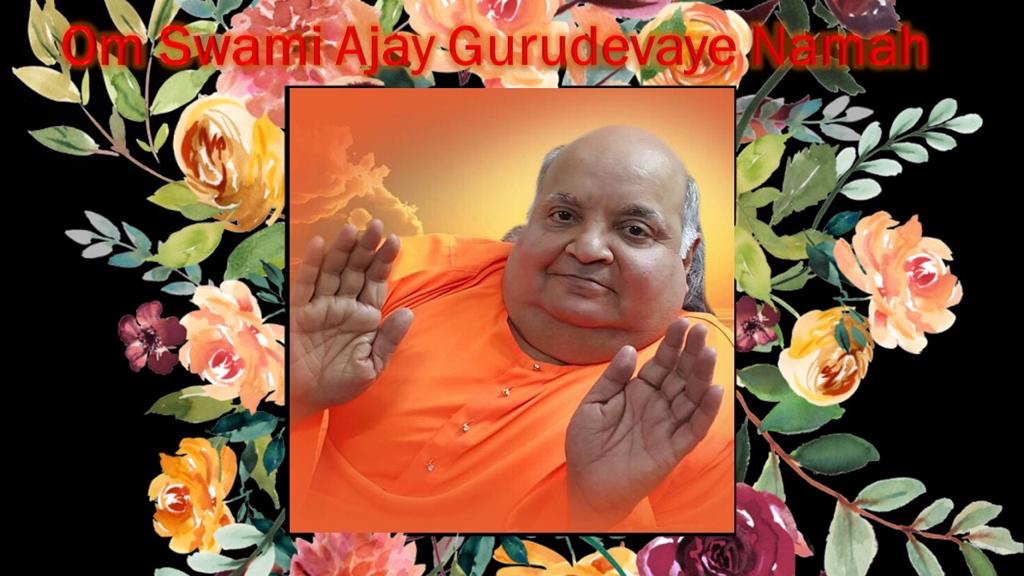
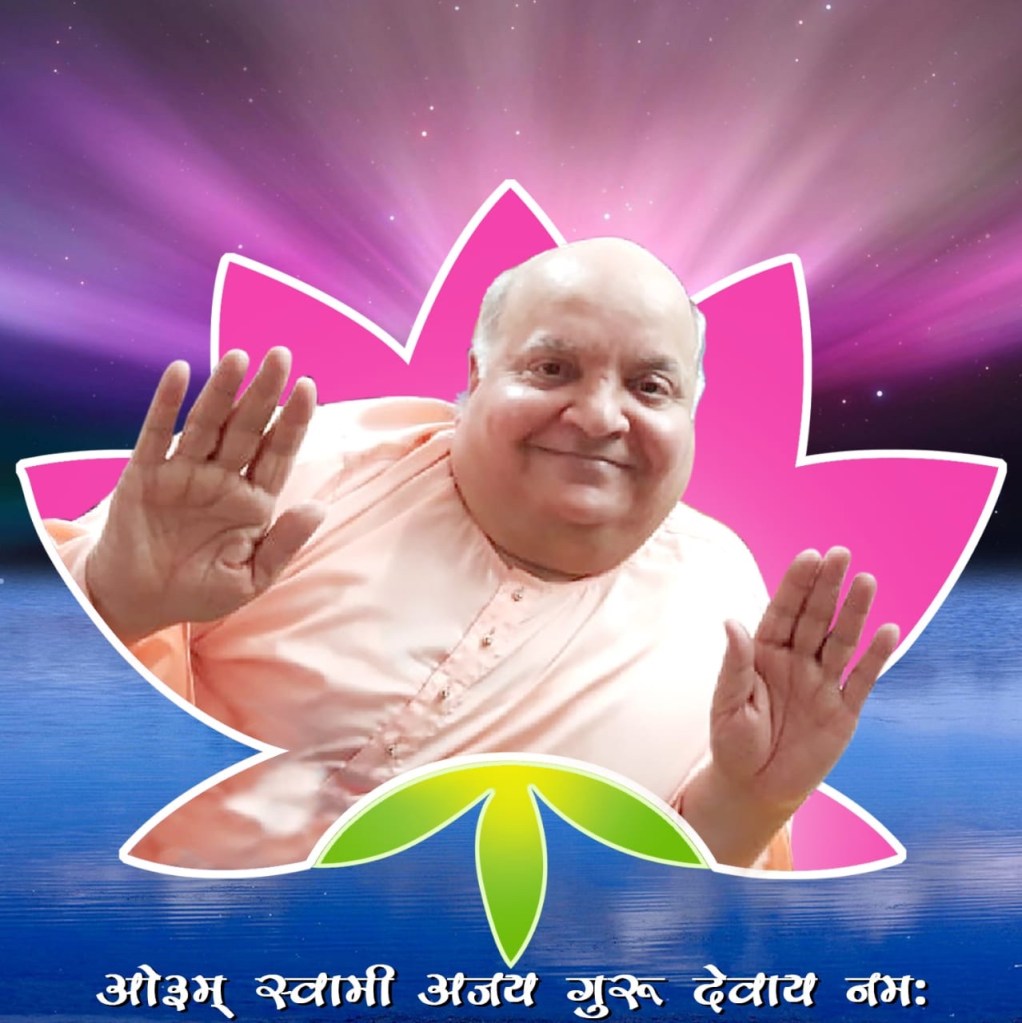
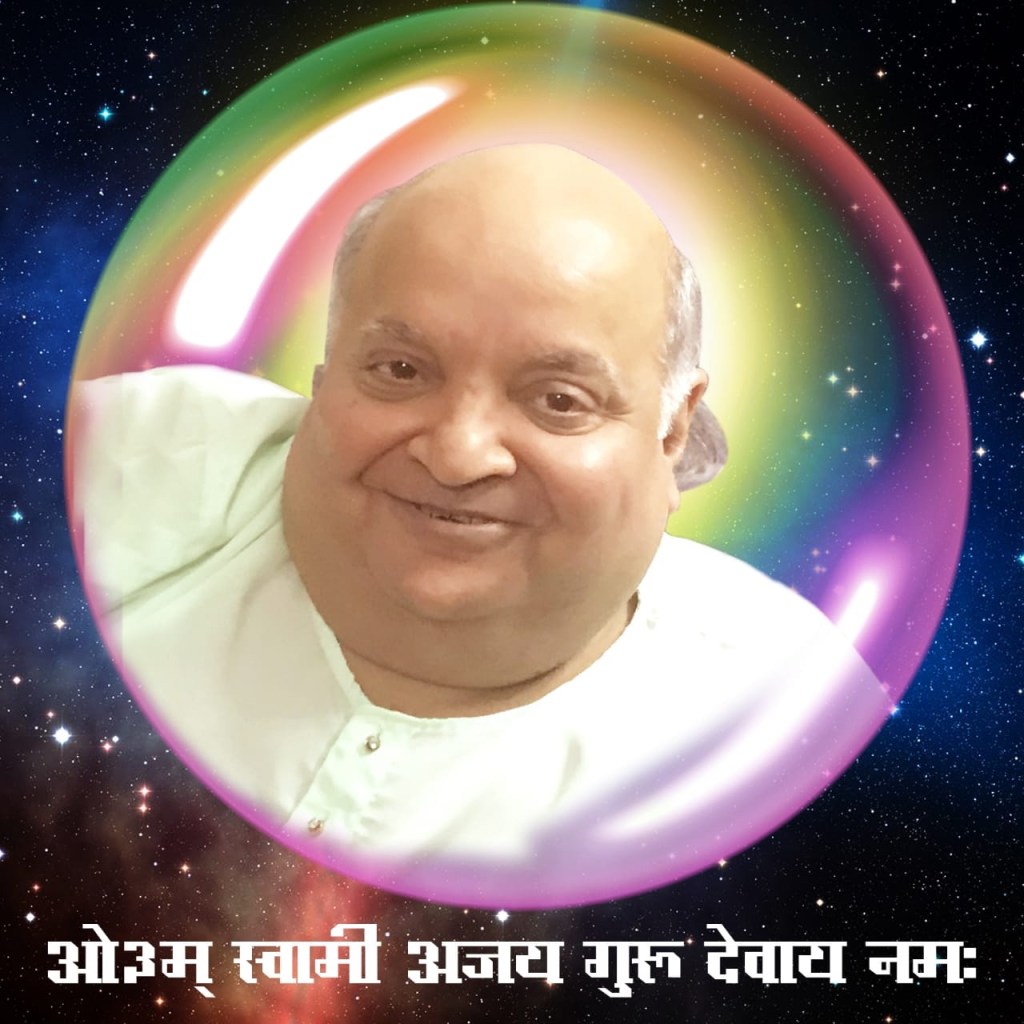
 Dedicated to Swamiji Ajay Jain ji