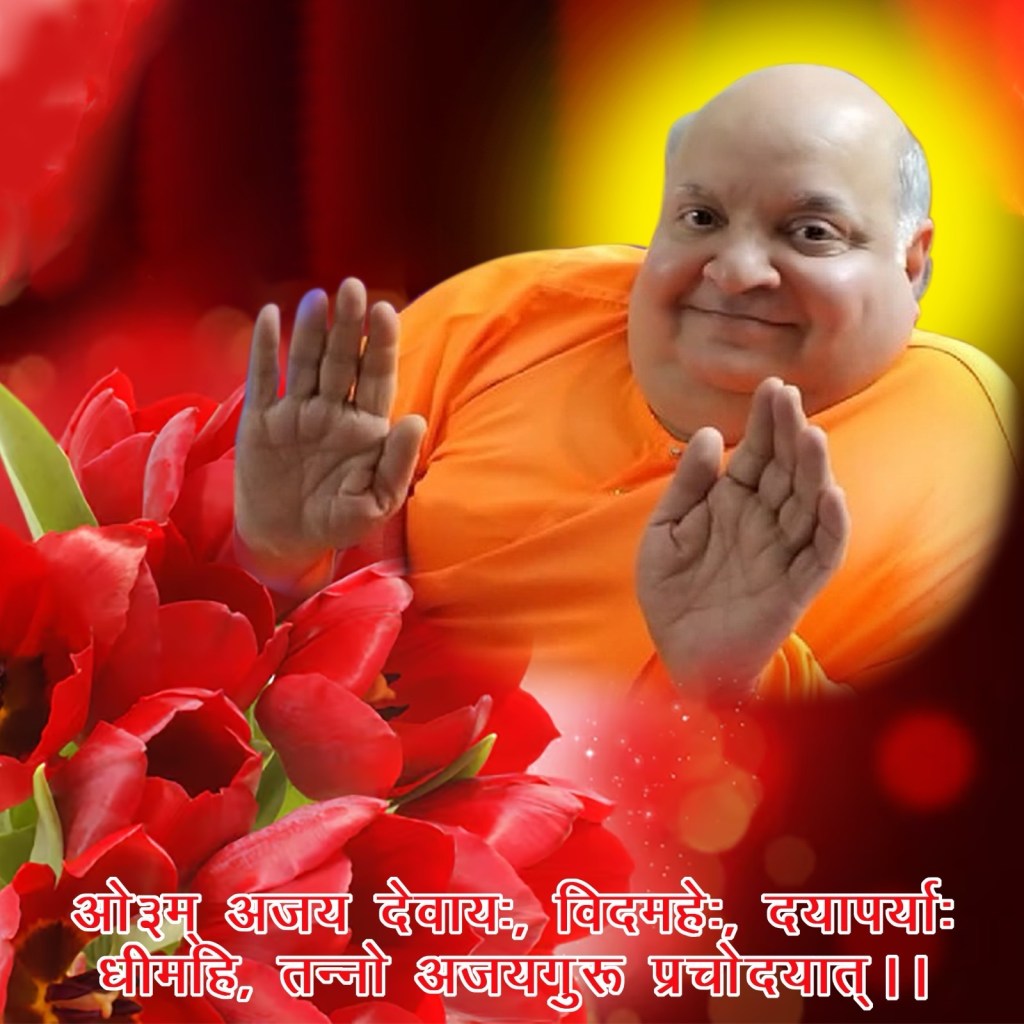
Swami ji said…
“हमें बातें करने में, बोलने में, बहुत मज़ा आता है..!” Isn’t that so? We love to talk. Chatter. Have long conversations. Gossip. State our opinion on everything possible. Get into lengthy debates— to prove a point to others— as to who is right— and naturally, it always has to be us. We dislike losing in any round of a conversation- as we feel we can never be at a loss of words.
Strangely, we make it a point to know about what is going on in other people’s lives and pass our judgement on what is right or wrong in their lives— even when no one has sought our verdict. Also, some of us could be so gifted with the art of speech that we could speak endlessly and needlessly- even at the cost of irritating others.
Perhaps the need within some of us to express ourselves clearly- and to let others know what we think of them- is so powerful that, like a steamroller, we let out all that is within us— without thinking of the consequences that our hurtful words could have on the other person… “कयोंकि हम सोचते हैं कि हमारा दूसरों को उनके बारे में सब कुछ साफ़ तरह से बोलना अत्यंत आवश्यक है, हम मुँहफट हो जाते हैं…हम यह भूल जाते हैं कि वही शब्द जो हम सबको जोड़ सकते हैं, वे एक पल में रिश्तों को तोड़ भी सकते हैं…”
Why is it so difficult for us to understand the essence of the proverb- “Silence is golden”? Wouldn’t it be better for us to remain silent during moments when we are needled the most by others, picked on deliberately by someone, in order to get an angry reaction from us— when we might just erupt like a volcano and let angry and disrespectful words flow out, unabated, which would later fill us with regret for having said them? Or should we choose to maintain a stoic silence in the face of repeated attempts by others to provoke us and draw an angry response from us?
In the end, it is completely up to us to tide over the most delicate moments in our lives by either wearing a cloak of silence—that earns us respect— instead of resorting to words and speech that could later fill us with regret.
“जब हम समझ जाते हैं कि चुप रहने में ही हमारी भलाई है…”— it is then that we start thinking before we speak. “Do I really need to say what I’m about to say?”— we think twice before saying anything untoward to anyone.
“Would it be better if I refuse to take the bait, remain nonchalant, and treat the matter as one that did not warrant an agitated response from my end ?” “Won’t I gain more— “अगर मैं ऐसे क्षणों में चुप रहूँ और मौन धारण कर लूँ ?”- we remind ourselves and thus are able to control our words from spilling out unnecessarily.
Conquering that ‘difficult’ moment by exercising restraint is better than entering a phase of self- reproach and accuse ourselves later- “मैंने ऐसे क्यों बोल दिया उस समय?” “He must be feeling so bad about the rude manner in which I spoke to him…”
The very thought of it fills us with contrition. But, words, once said, cannot be taken back— and to what effect? Our harsh words will obviously pierce the mind and heart of the other person.
A spiritual seeker understands the importance of weighing his words carefully – before giving them a sound. He knows that- “जिस तरह से धनुष से निकला बाण कभी वापस नहीं आ सकता है – उसी तरह हम अपने बोले हुए शब्द वापस नहीं ले सकते हैं…” – so why should we speak just for the sake of speaking. He knows that the energy that would be wasted by him while indulging in nonsensical chatter, could be conserved and utilised for his spiritual furtherance. In what way would he benefit by being malicious and deliberately hurt people with mean, vengeful words? He would only be accumulating bad ‘ karma’ by nurturing ill-will against others- he reminds himself. He knows that God would be happier to see him ‘heal’ others with his warm and comforting silence- instead of ‘hurting’ them in any way- through any word or action of his- which could fill him with remorse later.
 Dedicated to Swamiji Ajay Jain ji